


Ski Touring/Mountaineering Ice Axes


Summit 2015
Mountaineering ice axe -






Akila Adze
Ski mountaineering ice axe -
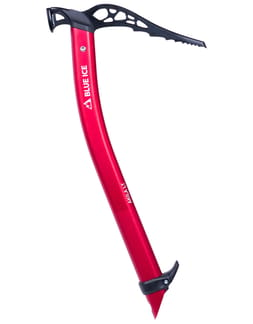


An ice axe is essential for safe passage on steep slopes and technical mountain terrain. At Snowleader, you'll find a wide range of lightweight and compact ice axes, specially designed for ski touring. Free delivery on orders over €199 and free returns within 60 days.
Why choose an ice axe for ski touring?
In ski touring, an ice axe can prove crucial in many situations. It's invaluable for ascents on hard snow, traverses of exposed couloirs, or simply for self-arrest in case of a slip. Unlike ski poles, it offers reliable anchoring on icy surfaces and is essential equipment for challenging ski touring. Whether you're heading out for a day trip or a multi-day expedition, the ice axe remains an indispensable safety tool as soon as the terrain becomes technical.
The advantages of an ice axe adapted for ski touring
An ice axe designed for ski touring is distinguished by its lightness and compact size. It attaches easily to your backpack and won't weigh you down on long climbs. You'll certainly appreciate its versatility for trips combining skiing and mountaineering. Models specifically adapted for this activity offer an excellent balance between robustness and lightweight design, allowing you to spend hours in the mountains without being weighed down.
How to choose the right ski touring ice axe
To find the ideal ice axe, it's easier to base your decision on several essential criteria. Every ski tourer has different needs depending on their skill level, their style of skiing, and the routes they plan to take. Here's what you should look for in a good ski touring ice axe:
Weight and length
For ski touring, choose a lightweight ice axe (less than 300g) that is relatively short (between 45 and 60 cm). Weight is a crucial factor: every gram counts on long climbs. The length, on the other hand, depends on your height and your skiing style.
- Moderate inclines: a longer model (55-60 cm) offers better support and facilitates uphill progress
- Steep terrain: a short ice axe (45-50 cm) will be more maneuverable for repeated anchors and technical sections.
- Tip: With your arms at your sides, the tip should reach ankle level for optimal comfort.
Materials: steel, aluminum, carbon
Ski touring ice axes are most often made of aluminum, an excellent compromise between lightness and strength. This material easily adapts to the demands of ski touring while remaining affordable. Models with carbon shafts offer an additional weight saving for the most demanding users looking to lighten their equipment as much as possible. Steel blades, more resistant to wear, remain more durable for intensive use or mixed mountaineering/skiing. With this in mind, the choice of material depends primarily on the intensity of your activity and your priorities.
The different types of ice axes
There are two main types of ice axes, distinguished by several practical criteria. The choice between these two categories depends primarily on the terrain you plan to tackle:
- Classic ice axe: with its straight shaft, it's ideal for ski touring and self-arrest on snow slopes. Its intuitive grip makes it a perfect companion for skiers who want simple and effective equipment. The Petzl Gully ski touring ice axe perfectly illustrates this category with its clean design and lightweight construction.
- Technical ice axe: equipped with a curved shaft, it is designed for challenging routes with ice climbing sections or mixed ridges. Its ergonomic shape allows for more powerful placements and greater efficiency on vertical terrain. The Petzl Ride ice axe is an excellent all-around option for those who want an ice axe that is both lightweight and high-performing.
The best ice axe brands
At Snowleader, you'll find the most reputable brands for ski touring and mountaineering: Petzl, Black Diamond, Grivel, and Camp. Each manufacturer offers models suited to different mountain activities, from ultralight ice axes for ski touring to technical ice axes for the most demanding climbs. These brands are known for their technical innovations and excellent reliability, guaranteeing safety for your mountain outings. All you have to do is choose the one that meets your needs from our selection at the best price.
Maintenance and accessories for ice axes
A well-maintained ice axe will serve you for many seasons. To prolong its lifespan and ensure optimal performance, a few simple steps should be taken after each outing.
Protecting and maintaining your ice axe
To ensure the longevity of your ice axe and maintain its effectiveness, here are the best practices to follow:
- Drying: Dry it thoroughly after each use to prevent corrosion, especially on the blade.
- Sharpening: Regularly sharpen the blade with a suitable file for optimal grip in hard snow and ice.
- Storage: Store it with a blade guard to preserve the edge and avoid damaging your other equipment
- Inspection: Regularly inspect the handle and blade for any cracks or signs of wear.
Accessories for your ice axe
To complete your equipment and fully enjoy your ice axe, consider these particularly well-designed accessories:
- Blade guard: essential to protect the cutting edge and ensure safe transport in your bag or vehicle
- Wrist strap: secures the connection to the wrist, ensuring safety and preventing loss of the ice axe in case of a fall or delicate handling.
- Ice axe holder for backpack: allows for quick and secure attachment, ideal for keeping your hands free during ski/mountaineering transitions.
- Sharpening kit: to maintain your blade independently and preserve excellent penetration in the snow
FAQ: Everything you need to know about ski touring ice axes
How to choose the ideal ice axe length based on your height?
The length of your ice axe depends on your body type and the terrain. For classic ski touring, a 50 to 60 cm ice axe is suitable for most people. If you are shorter or skiing on very steep slopes, opt for a 45 to 50 cm model. Try it on in the store: with your arm relaxed, the point should just touch your ankle. This simple rule will help you find the ideal length for your needs.
When should you choose a classic ice axe or a technical ice axe?
The classic ice axe is ideal for standard ski touring outings, snow slopes, and self-arresting. Its straight shaft facilitates anchoring and ascents, making it perfectly suited to most hikers. Opt for a technical ice axe if your routes include ice climbing sections, steep couloirs, or mixed ridges requiring repeated anchors and high precision.
What safety precautions should be taken when using an ice axe?
Learn the self-locking technique before venturing onto steep slopes; it's an essential skill in ski touring. Always wear gloves to prevent injuries in case of a fall or during handling. Use a blade guard when carrying your equipment and securely attach your ice axe to your pack to avoid any accidents. If you have any doubts about snow or weather conditions, don't hesitate to turn back: the mountain will still be there tomorrow.


Our Bloch' letter


