


Expedition Tents


Samaya 3.5 Blue
All-weather tent -





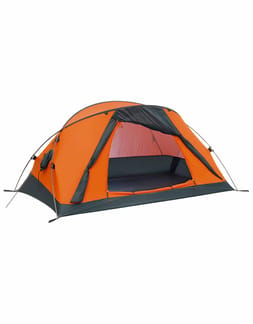


Samaya 3.5 Blue
All-weather tent -


The 4-season tent, also known as a mountaineering tent, is the essential shelter for those heading into high mountains when the weather turns extreme. Designed to withstand wind, snow, and sub-zero temperatures, it is suitable for both committed mountaineers and winter trekkers. Discover on Snowleader a selection of cold-weather tents for 1 to 4 people, crafted by the most demanding outdoor brands.
Why choose a 4-season tent?
Built to withstand the harshest weather conditions on earth, 4-season tents are exceptionally robust shelters, made to handle snowstorms, high-altitude winds, heavy rain, and extreme temperatures. In short, everything you might encounter during a high-altitude bivouac or a challenging mountaineering trip! While a 3-season tent is ideal for spring, summer, and autumn in milder conditions, the 4-season tent is designed to face winter and the most hostile environments. Its reinforced flysheet extends lower to the ground, mesh panels are replaced by solid fabric to reduce drafts, extra poles provide structure, and a snow skirt is included on most expedition models. Here you'll find the go-to shelter for your trekking tents for extreme conditions.
To achieve such durability, these expedition tents are usually equipped with 3 to 4 aerospace-grade aluminium poles, sometimes with additional strong materials to reinforce the structure, at the justified cost of a few extra hundred grams. The result is clear in the field: fabrics that withstand strong gusts without collapsing and act as true snow barriers during heavy falls.
Key technical features of a mountaineering tent
A true 4-season tent is made from materials designed to withstand the repeated stresses of high-altitude environments. The outer fabric is typically high-density ripstop nylon or polyester, treated for high waterproofing (serious models often exceed a 3,000 mm hydrostatic head). At the top end, brands like Samaya use Dyneema, an ultra-lightweight and extremely tear-resistant fibre found on the Samaya 3.5 Dyneema, allowing you to lighten your pack without sacrificing strength. Aerospace-grade aluminium DAC poles ensure an excellent strength-to-weight ratio and remain flexible in extreme cold, where lower-quality poles would become brittle.
The design also makes a difference: low profile, dome or geodesic shapes distribute wind forces across the whole structure rather than focusing on a single point. Inside, the living space and room volume directly affect your comfort during long nights at altitude, especially when mountaineering equipment (ice axes, crampons, mountaineering boots) needs to be stored inside. Vestibules, sometimes doubled, are crucial for keeping wet gear separate from your sleeping area. Good ventilation is also critical: without it, condensation can turn your night into a cold shower.
How to choose the right 4-season tent for mountaineering?
For your expeditions in high mountains, finding the ideal tent at first glance can be challenging. It must strike a balance between lightness and durability. The best tents for tough conditions (heavy snow, strong winds, heavy rain) remain 4-season tents, true mountaineering tents by nature. Before buying, check the quality of the frame: at least 3 poles to reinforce the structure and ensure maximum stability, even in the strongest gusts.
Beyond the structure, several criteria should be considered depending on your terrain and the length of your expedition:
- Wind resistance: geodesic structures with 3 or 4 crossed poles withstand gusts over 100 km/h.
- Snow performance: snow skirts, reinforced poles, and a low flysheet prevent snow build-up.
- Weight: from 2.5 kg for lightweight trekking models to over 5 kg for group expedition tents.
- Living space: 1, 2, 3, or 4-person options, with room size suited to your gear.
- Ventilation: adjustable vents to reduce condensation during long, cold nights.
- Vestibules: for storing wet or bulky gear out of the sleeping area.
If in doubt, consult our experts for advice on choosing the best 4-season tent for your high-altitude expeditions based on your goals! Whether you need a 1-person tent, 2-person or 3-person model, discover all available options on Snowleader to ensure your mountaineering trips, winter bivouacs, or high-altitude camping nights go smoothly!
Our selection of 4-season and mountaineering tents for your expeditions
Snowleader has selected a range of tents specially designed for high-altitude expeditions, created by outdoor experts: Ferrino, MSR, and the French ultralight tent specialist Samaya! The build quality of these specialist brands ensures durability in even the toughest conditions, season after season.
The models chosen by Snowleader are built for bad weather and high altitude. These shelters provide extra protection and warmth during unexpected early-season snowfalls or in the face of relentless winds at exposed camps.
Mountaineering tents built for extreme conditions
On major Himalayan expeditions, polar trips, or challenging winter ascents in the Alps, you need a shelter that stands up to the elements. Geodesic tents with 4 poles, such as the Ferrino Manaslu, Pilier, or Svalbard, as well as top-end models from the Samaya Alpinist range, are designed to withstand extreme gusts and support heavy snow loads on the flysheet without ever buckling. Their reinforced double-wall and full snow skirt make them the go-to choice for base camps and extended high-altitude bivouacs, where any weakness in your gear could be costly.
Lightweight tents for demanding treks and winter hiking
When autonomy is key and every gram counts, priorities change. Ultralight models, often under 2 kg for a 2-person tent, meet the needs of ski tours, long self-supported crossings, and ridge routes that require a compact pack. The MSR Remote 2, Samaya 2.5, and Samaya 3.5 Dyneema perfectly embody this philosophy, combining trekking lightness with the strength needed to survive an unexpected night of snow at altitude. An excellent compromise for winter hikers, ski tourers, and mountaineers looking to lighten their load without compromising on safety.
FAQ: all about 4-season tents
How do you care for and clean a 4-season tent to extend its lifespan?
After each trip, unfold your tent and let it air dry out of direct sunlight, which can damage coatings. Gently brush off dirt, pine needles, or melted snow residue, then clean stained areas with a soft sponge, lukewarm water, and mild soap. Avoid harsh detergents and standard laundry products, which strip waterproof treatments. Check seams, poles, and zips before storing, and reproof the fabric once or twice a year with a suitable spray to maintain performance.
What accessories are recommended for a mountaineering tent on expedition?
A few extra items can make a real difference in the field:
- a custom groundsheet (footprint) to protect the tent floor from rocky or icy ground;
- snow-specific pegs (T-shaped or anchors) that are much more effective than standard models;
- spare guy lines and a repair kit with self-adhesive patches and a pole sleeve;
- a lightweight snow shovel to prepare your pitch and clear snow from the tent after heavy overnight falls.
How should you store a 4-season tent when not in use?
A damp tent stored for too long quickly loses its qualities, which is often the main cause of premature ageing. Before end-of-season storage, make sure it is completely dry, clean, and free from mould. Fold it loosely and use a cotton or mesh bag instead of its original compression sack, so the fabric and coatings can breathe. Store it in a dry, cool place out of direct light, and remove the poles from their bag to prevent long-term deformation.


Our Bloch' letter


