


Running belts


S/Lab Belt Black/White
Road running belt -


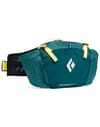





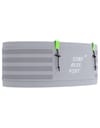


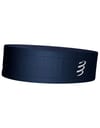


S/Lab Belt Black/White
Road running belt -






Lightweight, stable, and designed for running, running belts let you carry your essentials without disrupting your stride. Whether you're heading out for a city jog or a mountain trail, find the right model for your needs from leading running and trail brands here.
Why choose a running belt?
For trail or road running, managing hydration and small gear is always a challenge. When you don't want to be weighed down but still need to carry the basics, a running belt is the perfect compromise. More discreet than a backpack, it lets you bring what you need without hindering your movement.
This type of belt is ideal for runners who want to keep hydration, a gel or two, or personal items like a phone within easy reach. While your choice will depend on size, number of pockets, and comfort level, the goal remains the same: run free, but well equipped.
The benefits of a running belt
One of the main advantages of a running belt is its lightness. Unlike a trail running backpack, it is very compact and quickly forgotten once adjusted. You barely notice it when it's fitted properly. It leaves your shoulders free, doesn't trap heat on your back, and stays in place if you choose the right size.
Another key benefit is organisation. A good trail belt offers several pockets to distribute your gear. You can stash your keys, phone, gels, a soft flask for water, or even a lightweight windbreaker. Everything stays accessible without stopping.
Price-wise, running belts are also attractive: they usually cost much less than a hydration pack. For a first purchase or for runners seeking a simple solution without breaking the bank, it's often the best option.
Of course, there are limits. On long runs or in hot weather, you can't carry as much water as with a backpack. And if you need mandatory kit, a larger pack may quickly become essential.
But for runs of around 2 hours, training sessions, or mid-distance trails (around 20 km), a belt ticks many boxes. Even in races like marathons, where aid stations are provided, these accessories are a great choice for carrying a little extra without bulk.
Running belt vs bum bag: which to choose?
A running belt is designed for sport, with an ergonomic fit and technical materials. It hugs the body and doesn't interfere with your stride. A classic bum bag is more rigid, often less stable, and not really made for running.
If you want to carry just the essentials with good comfort, the belt is far superior. A bum bag can work for a walk or very occasional jog, but it quickly shows its limits as your pace increases.
How to choose your running belt?
With so many models available, finding the right running belt means asking the right questions. Here are the key criteria to consider before making your choice.
Essential criteria to consider
First, check the size. A belt that's too tight restricts breathing and can feel uncomfortable. Too loose, and it moves with every stride and may cause chafing. Choose a model that fits your waist, or opt for an adjustable belt with an elastic system, for example. Brands like Salomon or Compressport provide size guides to help you find the right fit: Compressport size guide.
Some belts are higher than others: while this increases storage, it can also feel bulkier. The ideal is to find the balance between support and capacity that suits your needs.
Material and comfort
Material is also crucial. Belts made from stretch, breathable fabrics naturally adapt to your shape and limit heat build-up-essential in summer or on long runs. A good running belt, whether for men or women, should be unnoticeable after the first few kilometres.
Storage capacity
Gels, keys, smartphone, head torch, small water flask-a well-designed belt should let you carry everything without bouncing. The number of pockets should match what you want to bring: no need for lots of compartments if you run light, but useful for full trail gear. Some even have zipped or waterproof pockets for valuables.
Other belts are equipped with pole holders, race number holders, or bottle holders-handy for tough outings or race days. Choose according to your needs.
Colours and visibility
Even if the trails aren't red carpets, colour choice can affect visibility. Some trail belts feature reflective strips, ideal for safety in low light. And it's always better to run with a belt you like, whether you're a man or a woman. Brands like Salomon, Compressport, and The North Face offer these accessories in a wide range of colours and styles.
The best running belt brands
Among the top brands in running and trail, you'll find Salomon belts, Millet, Compressport, and The North Face.
Salomon offers a complete range of running belts for both trail and road, with proven carrying systems for the toughest races. Compressport, the Swiss brand, is known for ultralight running belts focused on comfort and compression, like their iconic Free Belt. Black Diamond, more often associated with climbing and mountaineering, also offers lightweight, robust belts popular with trail runners seeking reliable gear. Millet and The North Face complete the selection with models suited to mountain conditions. Prices vary depending on materials and capacity, but you'll find high-performance belts for every level.
The different types of running belts
There are several types of running belts, each designed to meet specific needs depending on the runner, distance, or race conditions.
Minimalist belts
These belts are ultra-light and discreet. They're perfect for short runs when you just want to carry your keys, a card, or a small snack. Usually with a single pocket or two small stretch pockets, they focus on freedom of movement. If you want maximum lightness without sacrificing comfort, this is the style for you.
Hydration belts
Widely used for trail and long runs, these belts have space for a soft flask or small rigid bottle. You can carry water without needing a trail backpack. They often have several pockets for extra storage. Balance is key: distributing the weight well keeps you stable while running.
Some models let you carry two soft flasks for more water, with extra space for nutrition or your phone. This is especially popular in summer or on trails where water points are scarce.
Multi-purpose belts
With several compartments, these belts are ideal for runners who like to organise everything. Keys, phone, nutrition, flask-everything has its place. Some versions even have zipped or waterproof pockets. They offer a good alternative to a backpack for those who want more capacity without too much bulk. This type of accessory suits both road races and trail runs where you need an extra pocket for a layer or windbreaker. Some models even have a pole attachment system, handy when alternating running and walking on mountain routes.
Race number belts
Designed for competition, these models avoid having to pin your race number to a technical shirt.
There are two main types: full belts with several pockets and good support, combining storage and comfort, and ultra-minimalist belts with no storage, designed only to hold your race number visibly, comfortably, and securely. Lightweight and discreet, they're ideal for runners who want to stay as streamlined as possible on race day.
FAQ: all about running belts
What is the best belt for running?
There is no universal belt: the choice depends on your needs. For short, light runs, a minimalist belt is enough. If you need to stay self-sufficient with water, go for a hydration belt with one or two flasks. For races, a race number belt saves you from pinning your number to technical clothing. The key is to choose a running belt that is stable, comfortable, and suited to your distance.
What size running belt do I need?
Your running belt should fit your waist for optimal support without compression. Choose models with an elastic adjustment system that adapts to your shape and clothing thickness depending on the season. If in doubt, check the size guides provided by brands. A well-fitted belt should neither compress nor move while running.
Discover our full selection of running belts and trail running shoes at Snowleader, with free delivery from £199 and free returns within 60 days.


Our Bloch' letter


