


 Metropolitan France
 Deutschland
 Belgique
 Suisse
 Österreich
 España
 Italia
 Nederland
 Danmark
 Sverige
 Portugal
 Polska
 Luxembourg
 Other countries

Available colours:



Available colours:
Available colours:

Available colours:
Available colours:
Available colours:
Available colours:
Available colours:
Available colours:
Available colours:

20% off
On the entire city section* with the code CITY20*
Available colours:
Available colours:


Available colours:
Available colours:


Available colours:


Available colours:

Available colours:

Available colours:


Available colours:


Available colours:

Available colours:
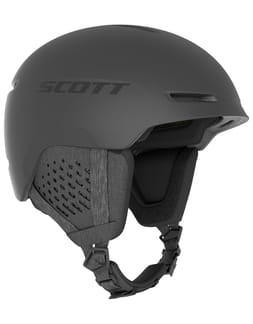
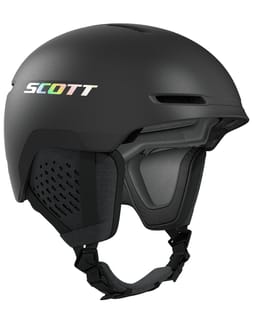
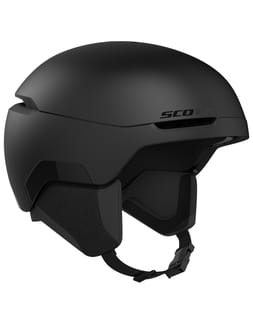
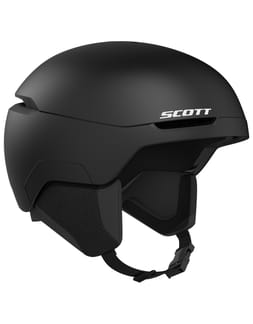
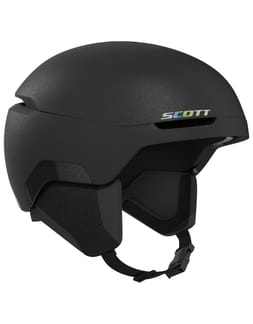
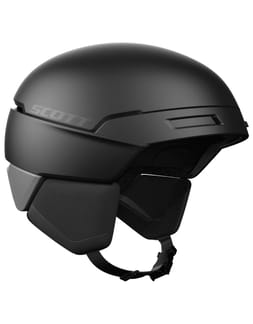
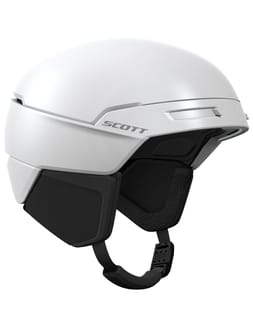
Since its beginnings, Scott has been developing equipment designed for demanding days in the mountains. Its ski helmets combine sleek design, ergonomic comfort and effective protection while remaining discreet during activity. The men's Scott ski helmets continue this DNA with a performance-focused range, from piste skiing to freeride sessions.
Ski safely with a men's Scott helmet
A well-fitted helmet immediately changes how you feel on your skis. You gain peace of mind and comfort, with models available in several head sizes and easy-to-wear colours, from black to white and grey depending on the version. And to equip the whole family, discover our selection of women's ski helmets and kids' ski helmets.
In-Mold, MIPS and Pure Sound 360°: Scott technologies
Scott uses In-Mold construction, combining a polycarbonate shell and EPS foam for a lightweight, compact result. On many models, the MIPS system helps manage angular impacts by reducing rotational forces, while 360° Pure Sound improves external sound perception around the ears. Ventilation, either active or passive depending on the helmet, and WRAS or J-RAS adjustment systems complete the package to provide a precise fit.
Scott men's helmet collections
The Scott Symbol helmet: versatile premium
The Symbol represents the brand's premium approach. Its protective profile, refined finishes and lasting comfort make it a reassuring model for back-to-back piste runs as well as more varied terrain. For total protection, Scott ski goggles pair perfectly with the brand's back protectors.
The Scott Chase helmet: all mountain and active ventilation
The Chase stands out with its In-Mold construction combined with MIPS and active ventilation. The 360° Pure Sound further enhances comfort. Its ergonomic design fits the head perfectly, while the refined finishes and quick adjustment system ensure a stable fit, whether you're on piste, off-piste or in the snowpark. The Scott Chase offers the perfect combination of safety, breathability and freedom of movement for uncompromising days on the slopes.
The Track Plus: MIPS protection at an accessible price
The Scott Track Plus helmet combines advanced safety and affordability. Equipped with MIPS technology, it reduces rotational forces during impacts to provide optimal protection without sacrificing comfort. Lightweight and well-ventilated, it ensures effective thermal regulation even during intense descents. Its precise adjustment system and ergonomic design guarantee a stable fit on all slopes, making the Track Plus an ideal option for all mountain or freeride skiers seeking reliable protection at a reasonable price.
How to choose your men's Scott helmet?
Size and fit (head circumference, WRAS dial)
For a Scott ski helmet to be truly effective, head circumference and the adjustment system are essential. Scott models are equipped with a WRAS dial, easy to use even with gloves, allowing you to adjust the helmet precisely to your shape. This feature ensures a stable and comfortable fit, reduces pressure points and guarantees the protection stays in place during fast descents or technical moves. Choosing the right size and making full use of the WRAS system optimises not only comfort but also safety on every run.
Which helmet for your activity: piste, freeride or touring?
The choice of a Scott helmet depends on your skiing style and the conditions you face. For piste, choose a lightweight, well-ventilated and comfortable helmet for fast, repeated descents. For freeride, opt for a more protective model with a robust shell and possibly MIPS technology to absorb lateral impacts. For touring, the Couloir Tour stands out for its lightness and headlamp attachment.
FAQ: All about men's Scott ski helmets
What is the difference between the Symbol and the Chase?
The Symbol and the Chase are two Scott helmets designed for the mountains, but they do not target exactly the same needs. The Symbol focuses above all on comfort, versatility and lightness, ideal for all-mountain skiers and days when comfort and warmth matter more than extreme ventilation. The Chase, on the other hand, features more pronounced active ventilation and a design focused on dynamic performance, making it particularly suitable for those seeking better airflow and greater freedom of movement during energetic sessions.
Are Scott helmets compatible with all goggles?
Yes, Scott helmets are designed to be compatible with most ski goggles. Their design includes lines and shapes that make it easy to position the goggles, avoid pressure points and ensure an optimal fit on the head. Some models also feature guides for the goggle strap and a ventilation system that reduces fogging, ensuring comfort and visibility on every run.
When should you replace your helmet?
It is recommended to replace a ski helmet every 3 to 5 years, even if it appears intact, as materials gradually lose their shock-absorbing capacity. You should also replace it immediately after a significant impact, even if there is no visible damage, as the internal structure may be compromised.



Sign up for our newsletter
Be the first to hear about promotions, sales, special offers, snowleader events, and new brands added to our catalog!
By signing up for our newsletter, you agree to receive our personalized emails and to allow us to track whether you open them. You can change your consent at any time after you first receive a communication, or after creating your account, if applicable.


