


 Metropolitan France
 Deutschland
 Belgique
 Suisse
 Österreich
 España
 Italia
 Nederland
 Danmark
 Sverige
 Portugal
 Polska
 Luxembourg
 Other countries
Head skis
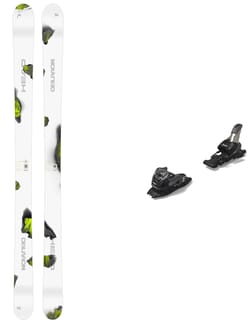
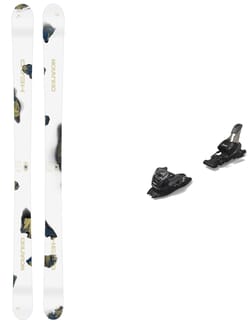
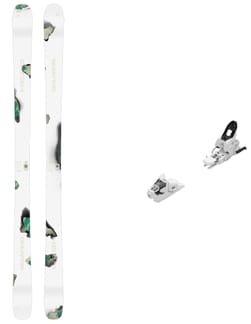
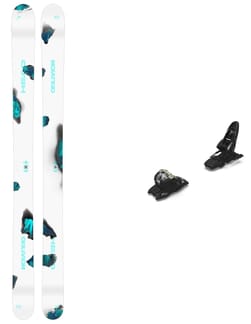
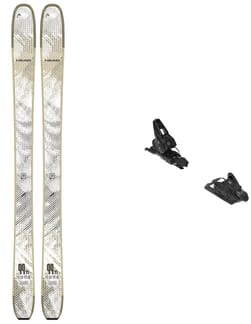
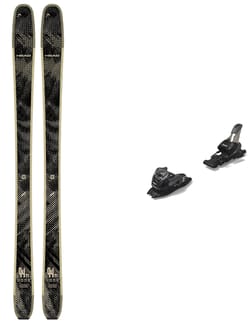
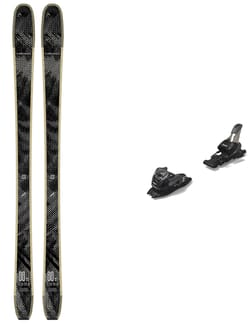
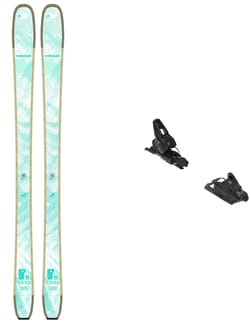
Discover Head skis for men and women, designed to combine precision, performance and enjoyment on the slopes.



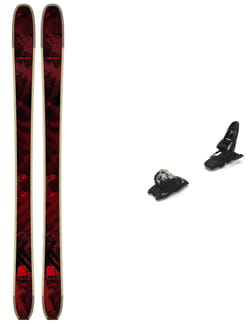

20% off
On the entire city section* with the code CITY20*
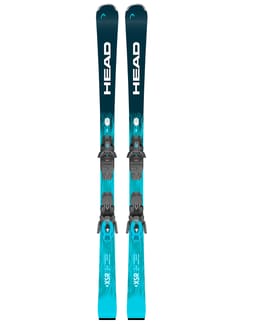
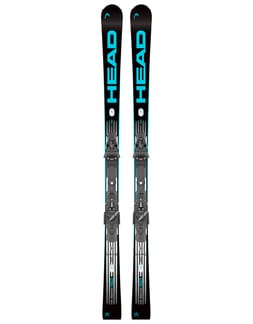
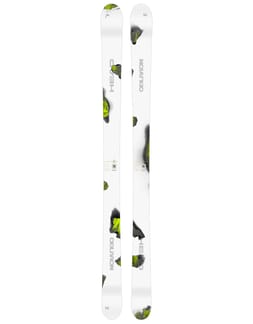
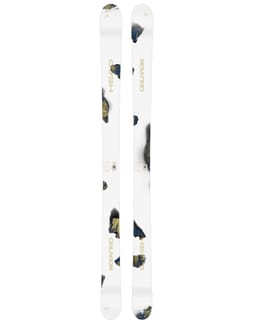
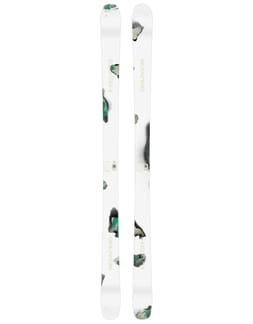
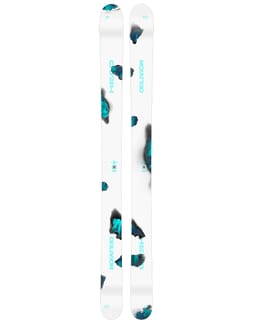
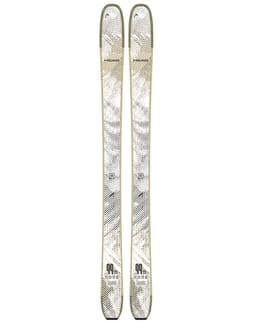
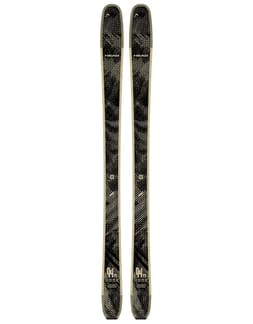


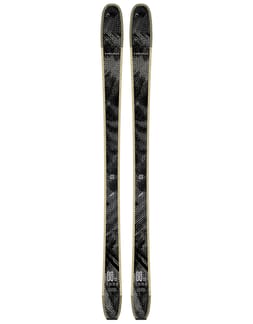
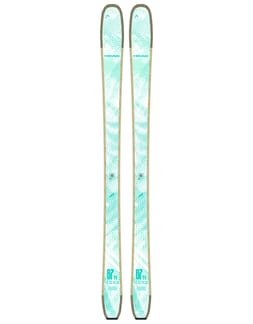
Head supports skiers in all their mountain adventures with a range of skis designed to meet every expectation. From groomed runs to more varied terrain, choosing men's skis or women's skis depends on your level, style, and the sensations you seek. The Head range makes it easy to find the right equipment for every skier profile.
Head skis: a range for every style
Choosing a pair of skis depends above all on how you plan to use them. A skier who mainly stays on piste will look for different features than someone who wants to explore varied terrain or enjoy fresh snow.
The ski's construction, waist width, length, and stiffness all directly affect its performance. These factors influence grip, stability, manoeuvrability, and ease of use.
Head skis for piste
Piste skis are generally designed for precision and grip on groomed snow. They allow for controlled turns and are ideal for skiers who spend most of their time on prepared slopes. The Head V Shape collection offers a dedicated selection for this type of skiing.
For more versatility, other designs maintain good on-piste performance while being more comfortable as snow conditions change.
Skis for different mountain uses
Wider skis provide more float in deep snow, while narrower models are generally more precise and allow for quicker edge changes. Skiers looking for models suited to varied terrain can also explore the Head Kore collection.
Touring skis are designed for specific needs, with a focus on weight for uphill climbs while still offering good downhill performance.
How to choose your Head skis?
Before choosing a pair of skis, it's important to define your main use. Your level, body type, and the terrain you frequent will help refine your choice.
Choosing skis by ability
Beginners will generally prefer skis that are accessible and easy to handle. With more experience, you may look for greater responsiveness, stability, or precision.
However, ability shouldn't be the only factor. Two skiers at the same level may have different needs depending on their style and preferences.
Choosing skis by use
If you mainly ski on piste, choose a ski with good grip and precise handling. If you want to explore different terrain, a versatile model may be more suitable.
Skiers seeking more freedom off-piste should look for skis designed for deep snow, with suitable width and construction.
To compare the different categories available, the skis range helps you identify the features you need.
Head skis for men, women, and kids
Body type plays an important role in choosing skis. Weight, height, and ability all influence the ideal length and performance.
Women can browse the women's Head skis to find equipment suited to their needs. Men can check out the men's Head skis.
For younger skiers, kids' skis make it easy to find equipment adapted to their size, level, and progression. In all cases, the distinction between ranges does not replace checking the technical features of each ski.
What length should you choose for your Head skis?
Length directly affects ski performance. Shorter skis are generally easier to handle, while longer skis offer more stability at higher speeds.
The skier's height is a good starting point, but it should be considered alongside ability, weight, and the type of ski. Manufacturer recommendations will help you fine-tune the ideal length for each model.
Head skis or ski sets: which is best?
Buying skis alone is a good option if you already have compatible bindings. Alternatively, a set makes it easier by combining several compatible elements.
Head ski sets are a practical solution for updating several pieces of equipment at once.
Why choose a ski and binding set?
Bindings connect your boots to your skis. Their compatibility and adjustment are essential for safe and effective use.
Ski and binding sets let you choose a complete, compatible package without having to select each part separately.
How to care for your Head skis?
Regular maintenance helps preserve ski performance and reduce wear. Waxing keeps the glide quality high, while edge care ensures effective grip.
After skiing, always dry your skis thoroughly to prevent moisture from causing edge corrosion.
Head skis FAQ
When should you wax your skis?
Waxing depends on how often you ski and the condition of the base. If the base looks dry or whitish in places, it's time for maintenance.
Why are ski edges important?
Edges grip the snow during turns. Their condition directly affects ski control, especially on hard or icy snow.
How do you transport your skis without damaging them?
During transport, skis should be protected from knocks and friction. A bag protects the bases and edges and makes carrying your gear easier. Always dry your skis before storing them.



Sign up for our newsletter
Be the first to hear about promotions, sales, special offers, snowleader events, and new brands added to our catalog!
By signing up for our newsletter, you agree to receive our personalized emails and to allow us to track whether you open them. You can change your consent at any time after you first receive a communication, or after creating your account, if applicable.


